Top 10 LGBTQ+ Friendly Cities and Why They Stand Out
Choosing where to live, relocate, or visit as an LGBTQ+ person involves far more than picking a place with a rainbow flag in the window. The cities that genuinely support their LGBTQ+ communities share a common thread: they back visibility with infrastructure, legal protections, and real access to services. This guide breaks down what separates truly affirming cities from those that are merely tolerant — and highlights ten places where that difference is clear.
What Makes a City Truly LGBTQ+ Friendly?
A genuinely LGBTQ+ friendly city combines legal protections, community infrastructure, affirming healthcare, and cultural acceptance into a livable whole. No single factor tells the full story.
When evaluating any city, consider these four pillars:
- Legal protections: Local anti-discrimination ordinances covering housing, employment, and public accommodations — ideally backed by state-level law
- Community infrastructure: Active LGBTQ+ community centers, youth programs, senior services, and advocacy organizations
- Healthcare access: Affirming medical providers, transgender-inclusive health services, and mental health support networks
- Cultural acceptance: Visible LGBTQ+ neighborhoods, thriving Pride events, LGBTQ+-owned businesses, and representation in local government
Cities that score well across all four tend to offer a meaningfully different quality of life — not just for gay and lesbian residents, but for transgender, non-binary, bisexual, and queer individuals whose needs are often underserved even in supposedly progressive places.
The Top 10 LGBTQ+ Friendly Cities
The following cities stand out for their combination of strong legal frameworks, active community organizations, and genuine cultural inclusion across the full LGBTQ+ spectrum.
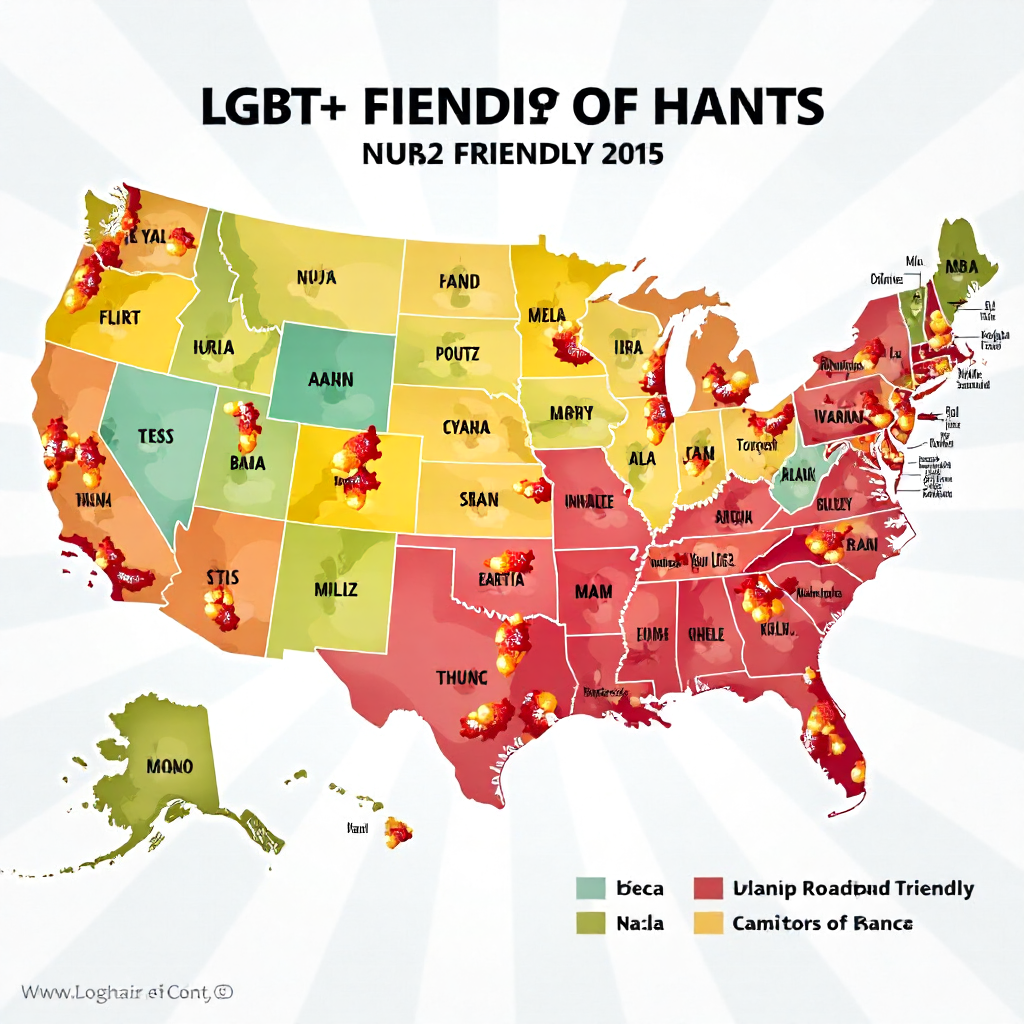
- San Francisco, CA — Home to the historic Castro District, one of the world's most recognized LGBTQ+ affirming neighborhoods. The city has robust anti-discrimination ordinances, a dense network of community centers, and healthcare providers with deep experience serving transgender patients.
- New York City, NY — Beyond the legacy of Stonewall, NYC offers unmatched LGBTQ+ resource directories, legal aid organizations, and Pride events that draw millions. Its size means specialized services exist for nearly every subgroup, including LGBTQ+ seniors and youth in crisis.
- Chicago, IL — Boystown (now formally Northalsted) is one of the country's oldest recognized LGBTQ+ districts. Chicago's city government has consistently expanded domestic partnership protections and transgender-inclusive municipal policies.
- Seattle, WA — Washington State's comprehensive anti-discrimination laws set a strong baseline. Seattle adds a thriving Capitol Hill neighborhood, active advocacy organizations, and a strong culture of trans inclusion in local policy.
- Portland, OR — Known for its progressive politics and visible queer culture, Portland has a dense concentration of LGBTQ+-affirming mental health providers and community support networks, particularly for youth and non-binary individuals.
- Minneapolis, MN — Minnesota was among the first states to ban anti-gay discrimination, and Minneapolis has built on that foundation with strong community centers and one of the Midwest's most active Pride festivals.
- Austin, TX — Within a complex state political environment, Austin has maintained strong local anti-discrimination ordinances and hosts a large, active LGBTQ+ community with significant organizational infrastructure.
- Philadelphia, PA — The Gayborhood in Center City is one of the East Coast's most established LGBTQ+ neighborhoods. Philadelphia's Office of LGBT Affairs provides direct city-funded support services and resource referrals.
- Denver, CO — Colorado's statewide protections are among the strongest in the country. Denver's LGBTQ+ community center offers housing support, mental health services, and youth programs under one roof.
- Atlanta, GA — As the South's largest LGBTQ+ hub, Atlanta demonstrates that affirming cities exist outside coastal corridors. Midtown Atlanta has a long-established queer community, and the city's advocacy organizations serve a regional population far beyond city limits.
Each of these cities has trade-offs — cost of living, climate, proximity to family, and state-level political climates vary significantly. The right city depends on your specific priorities, which the final section addresses directly.
Legal Protections and Policies That Matter
Local anti-discrimination ordinances and state-level protections are the legal floor on which everything else is built. Without them, community culture alone cannot protect LGBTQ+ residents from discrimination in housing or employment.
The most meaningful protections to look for include:
- Explicit coverage of sexual orientation and gender identity in housing, employment, and public accommodations law
- Transgender-inclusive policies in city hiring, public facilities, and healthcare access
- Domestic partnership registries and recognition of same-sex marriage at the municipal level
- Hate crime statutes that include sexual orientation and gender identity
- Non-discrimination protections in schools and youth services
It's worth checking both city and state law. A city with strong local ordinances situated in a state with hostile legislation creates a more fragile environment than one where protections exist at both levels. The Human Rights Campaign's Municipal Equality Index scores hundreds of U.S. cities annually and is one of the most reliable tools for comparing legal climates side by side.
Community Resources and Support Services to Look For
Strong LGBTQ+ community organizations are often what transform legal protections on paper into actual quality of life. The presence of a well-funded community center, for example, signals that local government and donors are investing in long-term infrastructure.
When evaluating a city's support ecosystem, look for:
- LGBTQ+ community centers offering drop-in services, case management, and referral networks
- Affirming mental health providers, ideally with sliding-scale or subsidized options
- Youth programs specifically designed for LGBTQ+ teens and young adults, including those experiencing family rejection
- Senior services that address the distinct isolation risks facing older LGBTQ+ adults
- Crisis hotlines and emergency housing programs for LGBTQ+ individuals in acute need
- Trans-specific health services, including hormone therapy access and surgical referral networks
LGBTQ+ resource directories — both national platforms and locally maintained guides — are often the fastest way to map what's available in a specific city. Using a directory that's actively maintained matters: services change, organizations close, and contact information goes stale.
LGBTQ+ Culture, Events, and Visibility
Pride festivals, LGBTQ+-owned businesses, and queer arts scenes signal an active community rather than surface-level tolerance. Visibility in public life is a meaningful indicator of how welcome residents actually feel day to day.
Cultural markers worth paying attention to include the size and longevity of annual Pride events, the presence of LGBTQ+-owned restaurants, bars, bookstores, and retail businesses, representation of openly LGBTQ+ individuals in city government and local media, and the existence of LGBTQ+-focused arts organizations, film festivals, or cultural institutions.
A city with a 40-year-old Pride march and three LGBTQ+ community newspapers is sending a different signal than one that launched its first Pride event five years ago under political pressure. Both can be good places to live — but they represent different stages of community development, which affects the depth of available support networks.
How to Connect With LGBTQ+ Communities When You Arrive
Plugging into a local LGBTQ+ network when you're new to a city is easier with a clear starting strategy. The community infrastructure exists — the challenge is knowing where to look first.
Practical steps for newcomers:
- Start with the local LGBTQ+ community center, which typically maintains referral lists for healthcare, legal aid, housing, and social groups
- Search LGBTQ+ resource directories (including this site) filtered by your new city to identify affirming providers before you need them urgently
- Look for neighborhood-specific social groups — many cities have running clubs, book groups, sports leagues, and faith communities organized around LGBTQ+ identity
- Connect with local advocacy organizations, which often host public events and can introduce you to broader networks quickly
- Check community boards at LGBTQ+-owned businesses, which frequently serve as informal information hubs
If you're moving to a city where you don't yet know anyone, arriving a few weeks before a major Pride event or community festival can compress the relationship-building timeline significantly.
Finding the Right City for Your Needs
The best LGBTQ+ friendly city for you depends on your specific circumstances — not just which city scores highest on a general index. A single person in their twenties has different priorities than a couple raising children or a transgender senior managing complex healthcare needs.
Consider these factors when personalizing your decision:
- Healthcare needs: If you require ongoing trans-affirming care, proximity to specialized providers and insurance coverage options should rank high
- Family situation: Cities with strong LGBTQ+ family services, affirming school districts, and legal protections for same-sex parents matter if you're raising children
- Budget: San Francisco and New York offer deep community infrastructure but at significant cost of living; cities like Minneapolis, Denver, and Atlanta offer strong communities at lower price points
- State-level political climate: Local protections can be overridden or undermined by hostile state legislation — factor in the broader political environment, not just city-level policies
- Community type: Some people thrive in large, anonymous urban LGBTQ+ scenes; others find more connection in smaller cities with tight-knit organizations
No ranking replaces your own research. Use LGBTQ+ resource directories to explore what's actually available in cities you're considering, reach out to local organizations directly, and if possible, spend time in a place before committing to a move.
Frequently Asked Questions
What legal protections should LGBTQ+ individuals look for in a city?
Look for explicit anti-discrimination ordinances covering housing, employment, and public accommodations based on sexual orientation and gender identity. Transgender-inclusive policies in city services, hate crime protections, and domestic partnership recognition are also strong indicators of a city's legal commitment to its LGBTQ+ residents.
Are smaller cities becoming more LGBTQ+ friendly?
Yes, and the trend is meaningful. Cities like Asheville, NC, Northampton, MA, and Bozeman, MT have developed active LGBTQ+ communities and local protections that rival larger metros in some respects. Smaller cities often offer tighter-knit community connections, though they may have fewer specialized services for specific needs like transgender healthcare.
What resources exist for LGBTQ+ newcomers moving to a new city?
Local LGBTQ+ community centers are typically the best first stop — they maintain referral networks and can connect you to housing, healthcare, and social groups quickly. Online LGBTQ+ resource directories, including city-specific guides and national platforms, help you map available services before you arrive.
How can I find LGBTQ+ affirming healthcare in a new location?
Start with LGBTQ+ community centers, which usually maintain vetted provider lists. National directories like GLMA (the LGBTQ+ medical association) also list affirming physicians and mental health providers by location. For transgender-specific care, Planned Parenthood and university health systems in major cities often offer hormone therapy and referral services.
What is the difference between LGBTQ+ tolerant and genuinely LGBTQ+ affirming cities?
Tolerant cities don't actively discriminate but may lack the infrastructure, services, and cultural visibility that make LGBTQ+ residents feel genuinely supported. Affirming cities invest in community centers, pass proactive protections, fund LGBTQ+-specific programs, and elect openly LGBTQ+ officials — creating an environment where queer residents aren't just accepted but actively included in civic life.