The History of LGBTQ+ Rights: Key Milestones and Ongoing Struggles
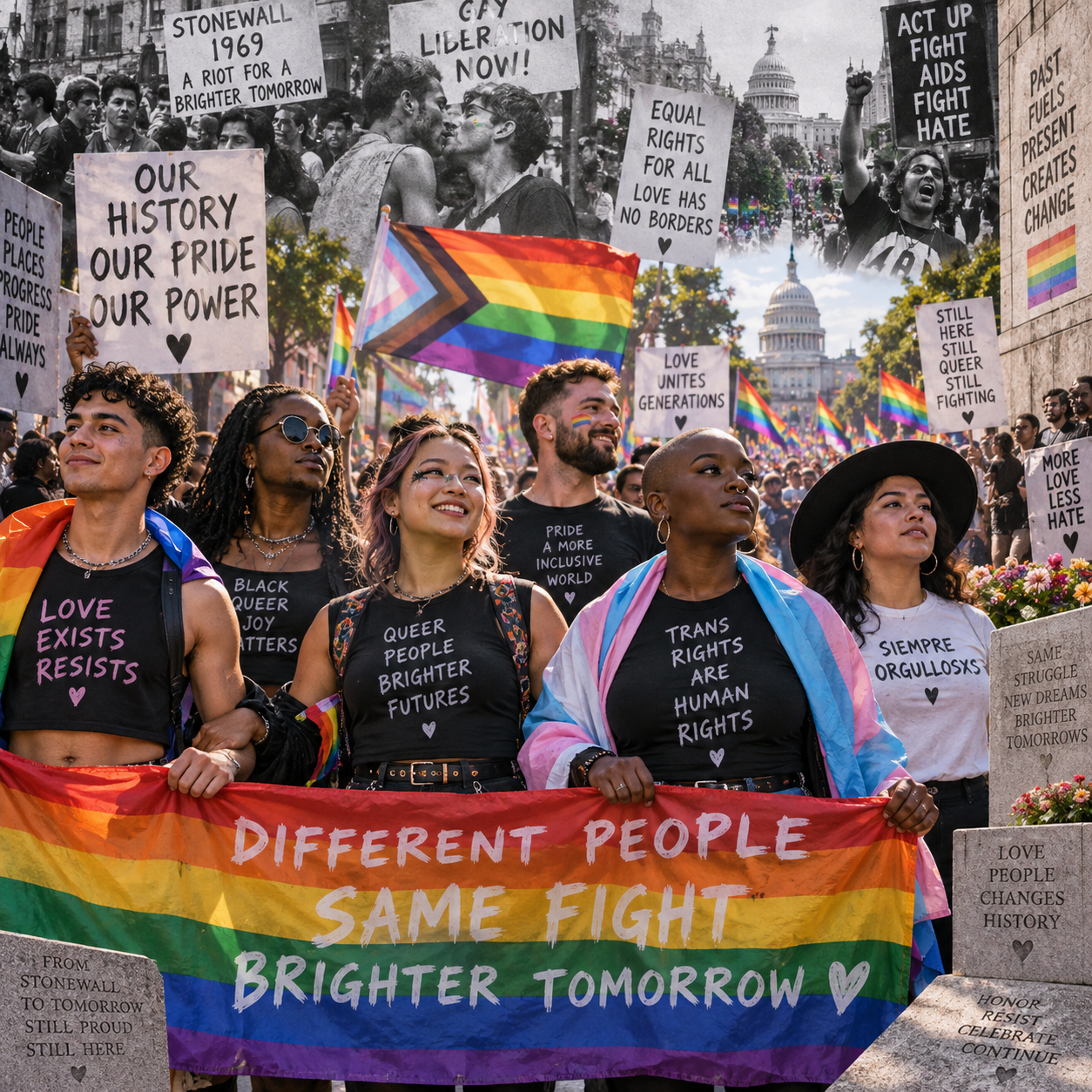
The history of LGBTQ+ rights is a story of community survival, organized resistance, cultural change, and legal transformation. It includes major victories such as the decriminalization of same-sex relationships, marriage equality, and anti-discrimination protections, but it also includes setbacks and continuing struggles over safety, healthcare, visibility, and transgender rights.
Because LGBTQ+ history differs across countries, identities, and generations, no single timeline can represent everyone. The account below focuses mainly on developments in the United States and other Western contexts while recognizing the global diversity of LGBTQ+ experiences.
LGBTQ+ Life and Rights Before the Modern Movement
LGBTQ+ life existed long before modern rights movements, but laws and social institutions often forced people to hide, conform, or live without legal protection. Historical records from many societies describe same-sex relationships, gender variance, and communities that challenged modern assumptions about identity. The words used in those periods were different, so historians should avoid automatically applying today’s labels to every historical person.
In Europe and North America, religious rules, criminal laws, family expectations, and medical institutions shaped public attitudes toward sexuality and gender. Same-sex intimacy was criminalized in many jurisdictions, while people perceived as gender nonconforming could face arrest, institutionalization, or exclusion from employment and housing. Medical authorities also classified homosexuality as an illness for much of the modern era, a position the American Psychiatric Association removed from its diagnostic manual in 1973.
Visibility was uneven. Some people found support through artistic circles, urban neighborhoods, chosen families, or private social networks. Others had little access to community, especially in rural areas, under colonial rule, or where poverty, racism, disability, or immigration status increased exposure to state violence. These conditions explain why later LGBTQ+ activism demanded more than personal tolerance: it sought safety, dignity, and equal citizenship.
The Rise of Organized LGBTQ+ Activism
Organized LGBTQ+ activism grew when people turned private networks into public campaigns for legal reform, community support, and social recognition. In the early twentieth century, groups such as Germany’s Scientific-Humanitarian Committee challenged laws criminalizing same-sex relationships. In the United States, the Society for Human Rights, founded in Chicago in 1924, represented an early attempt to organize openly around gay rights.
After World War II, advocacy became more visible. The Mattachine Society and the Daughters of Bilitis created discussion groups, publications, and support networks. Their early strategies often emphasized respectability and gradual reform, reflecting the danger of police surveillance and public exposure. Members sought changes to criminal laws, employment policies, and psychiatric classifications.
Community organizing also happened outside formal organizations. Bars, bookstores, social clubs, student groups, and informal mutual-aid networks helped LGBTQ+ people share information and find protection. These networks built the practical foundation for later movements. A legal campaign might challenge a statute, but community care helped people survive while that campaign moved slowly.
Stonewall and the Gay Liberation Movement
The Stonewall uprising began in June 1969 after a police raid at the Stonewall Inn in New York City, and it became a powerful symbol of modern Gay Liberation. Patrons and people gathered nearby resisted repeated police control over LGBTQ+ spaces. The confrontation continued for several nights and helped energize a more assertive style of LGBTQ+ activism.
Stonewall was not the first act of resistance. Earlier protests and confrontations included the Cooper Do-nuts riot in Los Angeles in 1959, the Compton’s Cafeteria riot in San Francisco in 1966, and the 1966 “Sip-In” organized by the Mattachine Society in New York. Stonewall mattered because it occurred during a period of growing political protest and because activists transformed its memory into a national organizing tool.
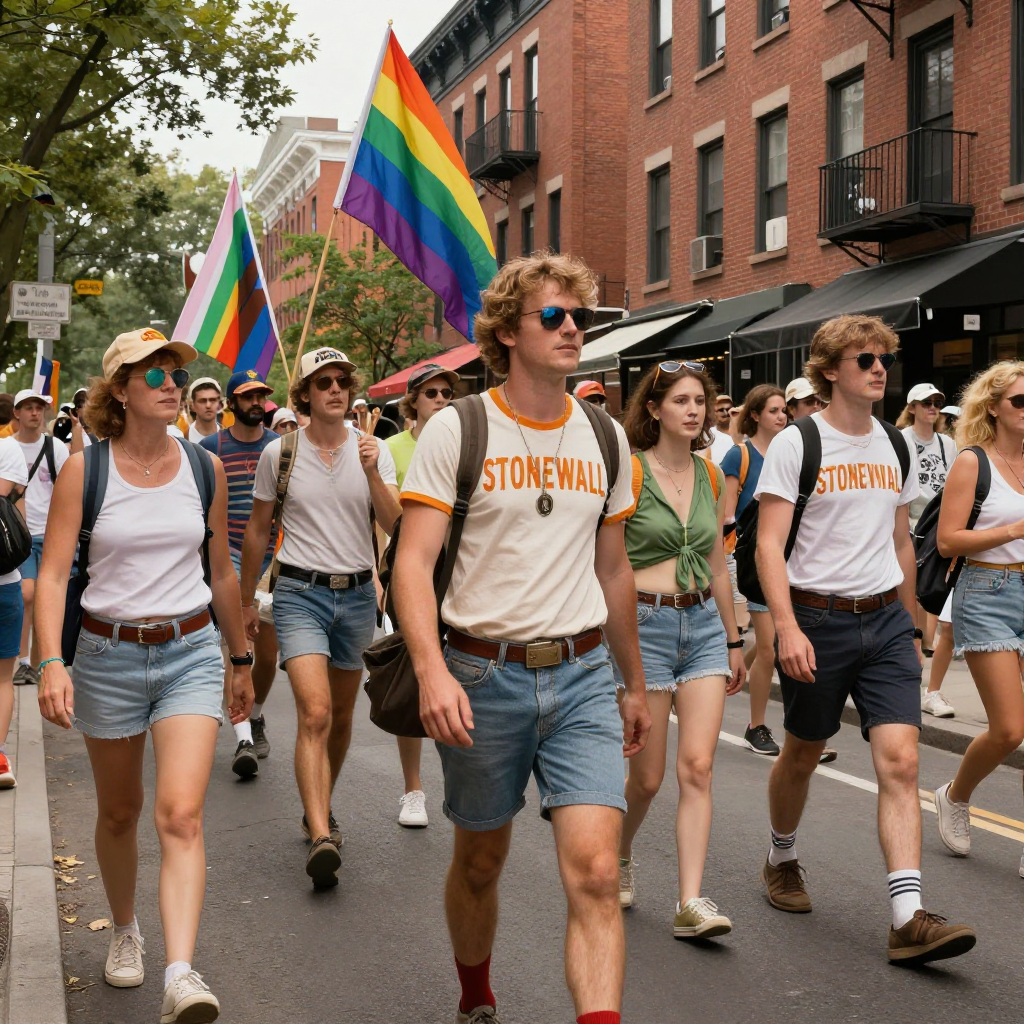
Groups such as the Gay Liberation Front and the Gay Activists Alliance demanded visibility, legal equality, and an end to police harassment. They challenged the idea that LGBTQ+ people should remain discreet to earn acceptance. The first Christopher Street Liberation Day march took place in 1970, establishing the foundation for modern Pride movements. Pride commemorations continue to honor resistance, although many communities also debate commercialization, policing, corporate participation, and the inclusion of marginalized identities.
Major Legal and Social Milestones
Major LGBTQ+ rights milestones include the removal of criminal penalties, protection from discrimination, marriage equality, and growing recognition of transgender people. These changes often resulted from decades of litigation, local organizing, public education, and direct action rather than a single event.
- Decriminalization: Illinois became the first U.S. state to repeal its sodomy law in 1961. Over subsequent decades, other jurisdictions removed criminal penalties for consensual same-sex relationships. In 2003, the U.S. Supreme Court decision Lawrence v. Texas invalidated remaining state sodomy laws.
- Anti-discrimination protections: Cities, states, universities, and employers adopted policies addressing discrimination in employment, housing, education, and public services. The 2020 U.S. Supreme Court decision Bostock v. Clayton County held that Title VII’s ban on sex discrimination covers employment discrimination based on sexual orientation and gender identity.
- Marriage equality: The Netherlands opened civil marriage to same-sex couples in 2001. In the United States, Obergefell v. Hodges established a constitutional right to same-sex marriage in 2015. Marriage recognition brought practical benefits involving inheritance, healthcare decisions, taxation, and family security, although it did not resolve broader inequality.
- Transgender rights: Advocacy has increased recognition of gender identity in identification documents, employment, healthcare, education, and public life. Progress remains inconsistent, and transgender people, particularly Black transgender women, continue to face disproportionate violence and discrimination.
Legal recognition does not automatically create equality in everyday life. A country may recognize same-sex marriage while LGBTQ+ people still face workplace bias, family rejection, homelessness, or unequal access to healthcare. For current U.S. federal information, the U.S. Department of Justice LGBTQI+ rights resources provide an authoritative starting point, though laws vary by state and circumstances.
HIV/AIDS, Community Action, and Intersectional Advocacy
The HIV/AIDS crisis transformed LGBTQ+ activism by combining emergency mutual aid, medical advocacy, public education, and demands for government accountability. In the 1980s and 1990s, inadequate official responses, stigma, and misinformation caused profound harm. LGBTQ+ communities organized food delivery, hospice care, fundraising, safer-sex education, and support for people whose families or institutions had rejected them.
ACT UP, founded in 1987, used demonstrations and policy pressure to demand faster research, accessible treatment, and meaningful representation in medical decision-making. Its activism helped change how clinical trials, drug approval, and public communication were debated. Lesbians, bisexual people, transgender people, people of color, sex workers, and disabled activists also contributed essential labor, even when public narratives centered narrowly on gay men.
The crisis showed why identity-based rights cannot be separated from health policy, poverty, racism, and disability justice. It also strengthened a lasting model of LGBTQ+ activism: people directly affected by a crisis should help define the solution. Community knowledge can identify barriers that formal institutions overlook.
Ongoing Struggles for LGBTQ+ Equality
LGBTQ+ equality remains contested because formal legal gains have not eliminated discrimination, violence, unequal healthcare, or political efforts to restrict rights. Conditions vary sharply by country, region, race, class, disability, age, immigration status, and identity. A lesbian couple, a bisexual teenager, a nonbinary adult, and a transgender refugee may encounter different risks even within the same city.
Current challenges include employment and housing discrimination, school harassment, family rejection, homelessness, censorship, conversion practices, barriers to gender-affirming and general healthcare, and violence against transgender people. Bisexual people may face erasure both inside and outside LGBTQ+ communities. Intersex people continue to challenge nonconsensual medical interventions and limited recognition. In many countries, same-sex relationships remain criminalized, while LGBTQ+ organizations operate under severe restrictions.
Advocates should also distinguish between visibility and safety. Media representation can improve understanding, yet representation alone cannot replace affordable housing, competent healthcare, legal aid, and protection from violence. Progress can move unevenly: one court decision may expand rights while legislation, administrative policy, or social hostility creates new barriers.
Why LGBTQ+ Rights History Still Matters
LGBTQ+ rights history matters because it shows that progress came from ordinary people organizing, caring for one another, and challenging institutions over time. Knowing this history helps communities recognize recurring patterns: criminalization can return in new forms, public health failures often hurt marginalized groups first, and legal victories require continued enforcement and public support.
For individuals who want to support equality, practical action starts with listening to affected communities and learning the laws and resources available locally. People can support LGBTQ-led organizations, challenge homophobic and transphobic language, respect names and pronouns, vote in informed ways, and help connect someone to housing, mental-health, healthcare, or legal resources. Allyship should be specific: defending a transgender student from a policy that excludes them is more meaningful than expressing general support without action.
History also offers a fuller definition of Pride. Pride is celebration, remembrance, protest, and community care at the same time. Protecting hard-won progress requires all four. The movement’s record is neither a simple march toward equality nor evidence that change is impossible. It is a reminder that rights become durable when laws, institutions, and communities reinforce one another.
Frequently Asked Questions
What was the Stonewall uprising, and why is it important?
The Stonewall uprising was a series of resistance actions following a police raid at New York City’s Stonewall Inn in June 1969. It helped energize Gay Liberation, expand LGBTQ+ activism, and inspire the annual Pride marches that followed.
What are some major milestones in LGBTQ+ rights history?
Major milestones include early advocacy organizations, the decriminalization of same-sex relationships, the removal of homosexuality from psychiatric diagnostic classifications, anti-discrimination protections, HIV/AIDS activism, marriage equality, and increased recognition of transgender rights.
How did the HIV/AIDS crisis affect LGBTQ+ activism?
The crisis prompted mutual-aid networks, safer-sex education, medical advocacy, public demonstrations, and demands for government accountability. Organizations such as ACT UP helped affected communities influence research, treatment access, and public-health policy.
Why are LGBTQ+ rights still contested today?
Legal equality remains incomplete and uneven. LGBTQ+ people still face discrimination, violence, healthcare barriers, political restrictions, family rejection, and unequal protection, with risks often intensified by racism, poverty, disability, or immigration status.
How can people support LGBTQ+ equality?
People can support LGBTQ-led organizations, learn local protections and resources, challenge discriminatory behavior, respect names and pronouns, advocate for inclusive policies, and respond to immediate needs such as housing, healthcare, safety, and legal assistance.