Legal Rights for LGBTQ+ Couples: Marriage, Adoption, and More
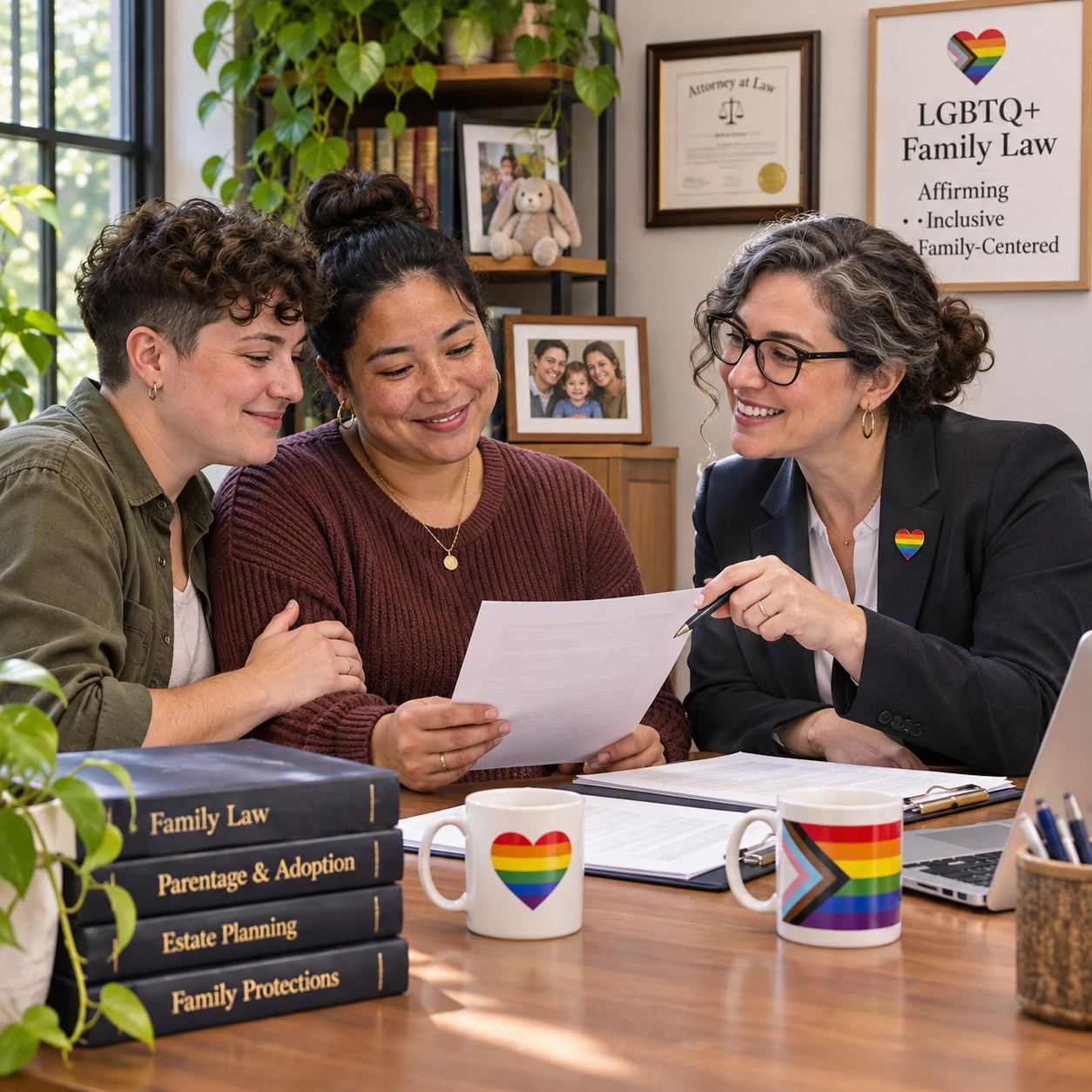
LGBTQ+ couples may have legal options involving marriage, adoption, parenting, healthcare, and financial planning. The rights and procedures available depend on where you live, your family’s circumstances, and current local law, so confirming details with reliable local sources is essential.
Why location matters for LGBTQ+ legal rights
LGBTQ+ legal rights vary by jurisdiction. A right or procedure recognized in one state, province, territory, or country may work differently elsewhere, and laws and administrative practices can change. The rules may also differ depending on whether a couple is married, how a child was conceived or adopted, and where a court order was issued.
For example, a non-biological parent may be recognized through a court order in one place but need an additional process to secure recognition in another. A document that works where it was signed may also raise questions after a move or when a family travels. These are reasons to check the rules rather than assume that a general description applies to every LGBTQ+ family.
When researching, identify the law that applies to the issue and the place where it must be recognized. Useful questions include:
- Which government office or court handles marriage, adoption, or parentage matters here?
- Does the relevant rule apply to our relationship and route to parenthood?
- Will an order or document remain recognized if we move?
- Are there filing deadlines, renewal requirements, or other steps?
Marriage and legal recognition
Marriage can provide legal recognition and affect a couple’s rights and responsibilities, but the specific protections and consequences depend on local law. Marriage equality does not mean every family-related issue is automatically settled by a marriage certificate.
Depending on the jurisdiction, marriage may affect property and financial arrangements, inheritance, tax treatment, insurance eligibility, and a spouse’s ability to make certain decisions. It can also create legal duties or consequences, including financial obligations and rules that apply during separation. Couples should review both potential protections and responsibilities before deciding whether marriage fits their situation.
Marriage and parentage are separate questions. Being married may matter when authorities assess a child’s legal parents, but it does not necessarily establish both partners as legal parents in every circumstance. This can be particularly important for couples who use donor conception, surrogacy, or adoption, or whose family spans more than one jurisdiction.
For an overview of marriage equality in the United States, readers can consult the U.S. Congress’s Respect for Marriage Act information and confirm how current rules apply locally. For practical planning, ask a local attorney or government office what marriage changes for property, benefits, parentage, and separation in your specific circumstances.
Adoption and paths to parenthood
Adoption is one path to parenthood for LGBTQ+ couples, but eligibility, screening, and court procedures depend on local law and the type of adoption. Ask the relevant agency or court how its requirements apply to your family before beginning an application.
Common routes can include adopting through a public child-welfare agency, working with a private adoption provider, or pursuing a step-parent or second-parent adoption. A second-parent adoption may allow a parent who is not already legally recognized to adopt without ending the first parent’s legal relationship with the child. The name and availability of this process vary by jurisdiction.
Adoption involves more than eligibility. Applicants may need to complete assessments, background checks, training, home visits, or court hearings. Costs and timelines can differ substantially by provider and location. Ask for a written explanation of fees, required records, expected steps, and any rules affecting out-of-area placements or recognition of a final adoption order.
Adoption is not the only way to build a family. LGBTQ+ couples may also consider donor conception, assisted reproduction, surrogacy, or fostering, where available. Each route can raise distinct questions about consent, parentage, birth registration, and agreements with donors or providers. A contract or private understanding may not, by itself, establish legal parentage; get jurisdiction-specific advice before relying on one.
Establishing and protecting parental rights
Legal parentage determines who is recognized as a child’s parent under the law. A biological connection, marriage, or shared caregiving role may not be enough on its own to establish parental rights for every non-biological parent.
Rules can depend on how a child was conceived, whether the parents are married, the wording of local statutes, and the documents or court orders completed before or after birth. A birth certificate is important, but families should verify whether it fully establishes parentage under the law that applies to them. Recognition in one place may not answer every question in another.
Depending on the circumstances, a family-law professional may recommend a court judgment, adoption, parentage order, or another local procedure. Ask what steps are available, who must consent, what evidence is required, and whether the order is likely to be recognized if the family moves. For families planning assisted reproduction or surrogacy, seek advice before treatment or an agreement begins; timing can affect available options.
Keep copies of final orders and related records in a secure, accessible place. Confirm how to obtain certified copies and whether a child’s records should be updated after an order. These steps do not replace legal advice, but they can make it easier to show the family’s legal relationships when dealing with schools, healthcare providers, or government agencies.
Other protections couples may want to plan for
Healthcare decision-making, finances, and estate planning deserve attention even when a couple is married. The documents and default rules available differ by location, so couples should check what applies to them and keep key records current.
For healthcare, ask how a partner can receive information or make decisions if someone becomes unable to communicate. A healthcare proxy, advance directive, or similar document may help, depending on local rules. Couples should also ask about hospital access policies and make sure providers have current emergency contacts and copies of relevant paperwork.
Financial and estate planning can address property, debts, beneficiaries, and what happens if a partner dies or becomes incapacitated. Depending on local law, useful tools may include a will, powers of attorney, beneficiary designations, and clear records of jointly owned assets. Marriage may change some default inheritance or property rules, but it does not necessarily replace a will or settle every question, especially where children, former partners, or property in multiple places are involved.
- Review beneficiary choices on insurance and retirement accounts after major life changes.
- Check that decision-making documents name the intended person and meet local signing requirements.
- Store copies securely and tell trusted people how to access them in an emergency.
Where to get reliable, local guidance
Start with official local government information, then consult a qualified, LGBTQ+-affirming family-law professional when the issue affects your rights. Government guidance can explain forms and procedures, while an attorney can assess how those rules apply to your family’s facts.
Look for the court or agency responsible for marriage licenses, adoption, birth records, or parentage in your area. Check that the information is current and ask the office to clarify procedural questions. For legal advice, seek a lawyer licensed in the relevant jurisdiction and experienced in family law, adoption, assisted reproduction, or estate planning as appropriate. Community legal clinics and LGBTQ+ organizations may help locate referrals, but confirm a provider’s qualifications and scope of service.
Before a consultation, write down where you live, whether you may move, your relationship status, how any child was conceived or joined the family, and what orders or documents you already have. Bring copies where safe to do so. Ask what needs attention first, what the process may cost, and whether an existing document will be recognized elsewhere. This article is general information, not individualized legal advice.
Frequently asked questions
Do LGBTQ+ couples have the same marriage rights everywhere?
No. Marriage equality and the legal effects of marriage depend on the country or jurisdiction. Even where same-sex couples can marry, related rules for property, benefits, parentage, and recognition across borders may differ. Check current official guidance for the place where the issue arises.
Can same-sex couples adopt?
In many jurisdictions, same-sex couples can adopt, but eligibility and process vary. Rules may differ by adoption type, agency, and location. Contact the relevant adoption authority or a local family-law professional to confirm current requirements.
Does marriage automatically establish both partners as legal parents?
Not necessarily. Marriage may affect how parentage is determined, but it does not guarantee that both partners are legally recognized as parents in every situation. Ask whether a parentage order, adoption, or another step is needed for your family.
What documents can help protect a partner’s rights?
Depending on local law and your circumstances, documents may include a will, healthcare directive, power of attorney, beneficiary designations, and court orders establishing parentage or adoption. A local professional can explain which documents are valid, how they must be signed, and whether additional steps are advisable.