How Allies Can Support LGBTQ+ Friends and Family Members
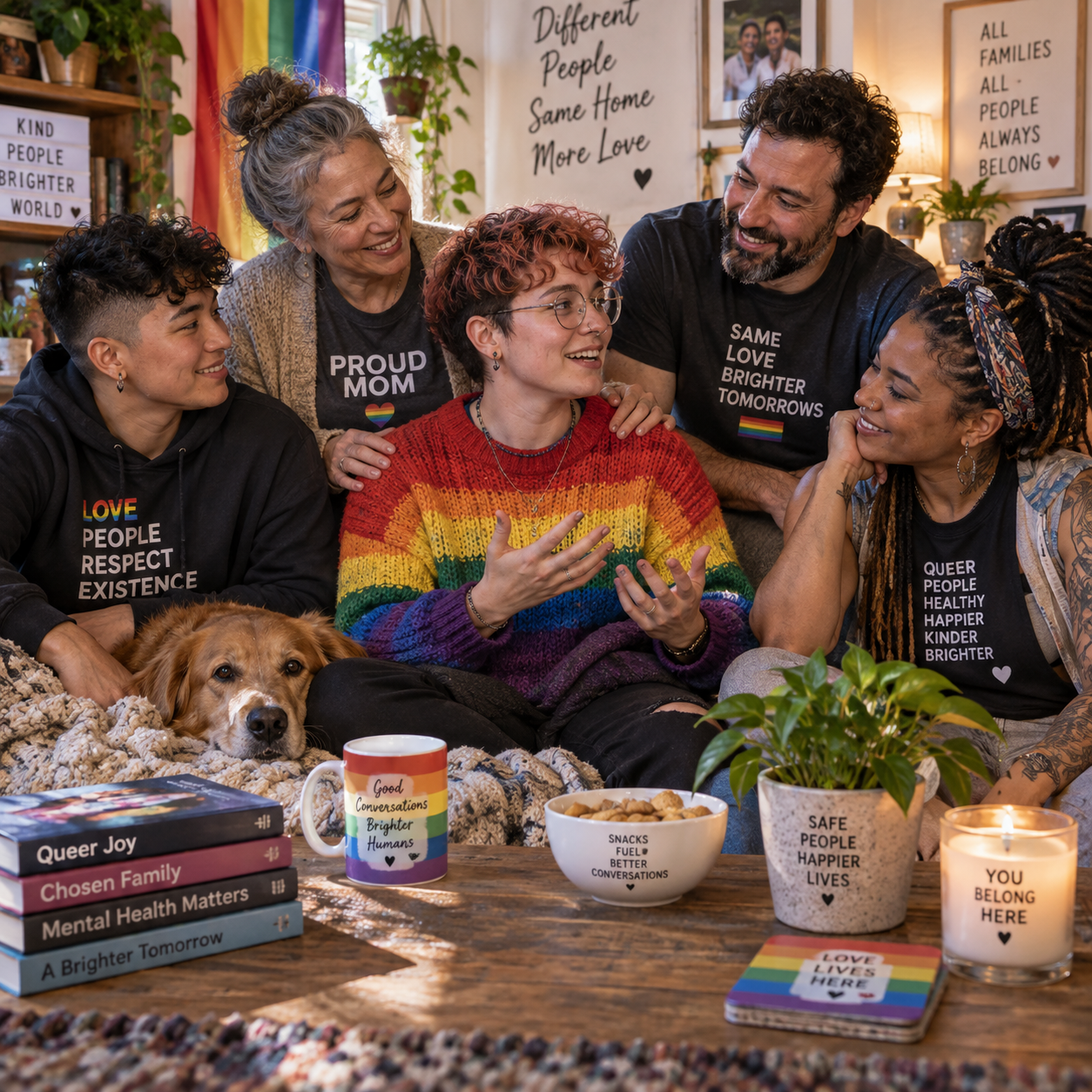
Supporting an LGBTQ+ friend or family member starts with treating them as the person they are, not as a problem to solve or a lesson to learn. Allyship is built through small, consistent choices: listening when someone shares their experience, using their chosen name and pronouns, protecting their privacy, and speaking up when it is safe and appropriate.
There is no single way to be LGBTQ+. People have different identities, cultures, families, and comfort levels. Ask what support looks like for the person you care about, then respect their answer. The goal is not to have perfect words every time; it is to show, through your actions, that your care is steady and unconditional.
Start by listening and believing them
When someone shares their LGBTQ+ identity or comes out, listen, believe them, and thank them for trusting you. A calm, accepting response helps them feel respected without requiring them to manage your emotions.
You might say, “Thank you for telling me. I care about you, and I’m here for you.” Then give them room to explain what they want you to know. Active listening means paying attention, asking open questions only when welcome, and not turning the conversation into an interview about their identity.
It is natural to have feelings or questions, especially if you are a parent or close relative. Process those feelings with another trusted adult, a counselor, or an LGBTQ+ resource rather than asking your loved one to reassure you. Avoid responses such as “Are you sure?” or “It’s probably a phase.” They can make a vulnerable moment feel like a debate.
- Ask, “Would you like me to listen, offer advice, or help with something practical?”
- Do not assume you know what their identity means to them based on someone else’s experience.
- Let them decide how much detail to share and when to continue the conversation.
Believing someone does not mean you need to understand every part of their experience immediately. It means taking their words seriously while you continue learning.
Respect their identity, name, and pronouns
Use the name and pronouns the person asks you to use, and follow their lead on other identity-related language. If you are unsure, ask privately and respectfully rather than guessing.
A chosen name can be an important part of how someone is recognized. Pronouns are also personal; do not infer them from someone’s appearance, voice, or clothing. A simple question such as “What name and pronouns should I use?” is usually enough. If they use different names or pronouns in different settings, ask where each is safe and appropriate.
Mistakes happen. If you use the wrong name or pronoun, correct yourself briefly, say “Sorry,” and continue with the conversation. Repeated apologies can put the focus back on you and invite the person to comfort you. Make a note to practice privately, and correct others when appropriate, especially if the person has told you they want that support.
Inclusive language also means avoiding assumptions about partners, gender, or family roles. Instead of asking a woman whether she has a boyfriend, you could ask whether she is seeing anyone. Use the terms your loved one uses for themselves, and remember that preferences can change. Respectful language is an everyday practice, not a one-time test.
Protect their privacy and let them set the pace
Do not share someone’s LGBTQ+ identity, chosen name, pronouns, or personal story without their consent. Coming out is not a one-time announcement; a person may be open with some people and private with others.
Before mentioning anything to relatives, friends, coworkers, or community members, ask: “Is it okay if I tell them, and what words should I use?” That includes posts, photos, group chats, and introductions. Even a well-meant announcement can expose someone to rejection, discrimination, or unwanted questions. Privacy and consent belong to the person whose information it is.
Do not pressure a loved one to come out, confront family members, change their name publicly, or take any other step on your preferred timeline. They may be weighing safety, housing, finances, work, faith, or family relationships. If they are not ready to share, you can still offer support in private and let them choose what feels possible.
If you have already shared something without permission, acknowledge the mistake, ask what they need now, and avoid making excuses. You cannot undo the disclosure, but you can stop repeating it and follow their wishes from that point on.
Offer support without making assumptions
Ask what kind of support would help instead of deciding for someone. Practical, everyday care often matters more than a dramatic gesture, and the person’s needs may shift over time.
Try specific questions: “Would you like me to come with you?” “Do you want help finding a counselor?” or “Would you like company, or some space?” Specific offers are easier to answer than “Let me know if you need anything.” If the person declines, respect that answer without withdrawing your care.
Support may mean helping them find a trusted health provider, listening after a difficult family conversation, using inclusive language at home, or making sure they have a safe ride. It could also mean carrying on as usual: inviting them to dinner, asking about work, and remembering that their identity is one part of a whole life.
Do not assume every LGBTQ+ person wants the same resources, public celebration, or advice. Some people want to discuss identity often; others prefer privacy. Follow their preferences, check in without pressure, and offer steady care after the initial coming-out conversation has passed.
Stand up for them and other LGBTQ+ people
Allyship includes challenging bias and helping create safer, more inclusive spaces. Speak up when someone uses a slur, makes a demeaning joke, or repeatedly ignores a person’s name or pronouns, while considering what response is safest for the person affected.
In a low-risk situation, you might say, “We don’t use that language here,” or correct a name or pronoun and move on. If the person has asked you not to draw attention to them, do not turn a correction into a public confrontation. Check in privately afterward and ask what kind of response they would prefer next time.
Advocacy can also be practical: support fair workplace or school policies, use inclusive forms and event language, and make sure LGBTQ+ people are not left to handle every objection alone. In family settings, make expectations clear with other relatives before a gathering if that will help protect your loved one’s boundaries.
There are trade-offs. A public defense may draw attention to someone who wants privacy, while silence can leave them isolated. When possible, discuss their preferences in advance. If there is an immediate risk of harm, prioritize safety and seek appropriate help rather than escalating a confrontation.
Keep learning and connect with trusted resources
Keep learning about LGBTQ+ identities and community resources so your loved one does not have to teach you everything. Reliable information can help you ask better questions, understand unfamiliar terms, and offer more useful support.
Start with established LGBTQ+ organizations, local community centers, or trained counselors who affirm LGBTQ+ people. For U.S. families, the Trevor Project offers crisis support and resources for LGBTQ+ young people, while PFLAG provides information and support for LGBTQ+ people, parents, families, and allies. Check each organization’s current services and eligibility before sharing a resource.
Learning is an ongoing responsibility, but it should not become a reason to demand personal explanations from your friend or relative. Read, listen to LGBTQ+ voices, and be willing to update your understanding. If you make a mistake, take responsibility and apply what you learn. Consistent respect matters more than knowing every term at once.
Common questions about supporting LGBTQ+ loved ones
What should I say when someone comes out to me? Say that you care about them and appreciate their trust. For example: “Thank you for telling me. I love you, and I’m here for you.” Let them guide what comes next.
What if I use the wrong name or pronoun? Correct yourself briefly, apologize once, and continue. Practice so the mistake becomes less likely, and follow the person’s wishes about whether to correct others.
Should I tell other people that my loved one is LGBTQ+? No, not unless you have their clear permission. Ask before sharing their identity, name, pronouns, or story, even with close relatives.
How can I support someone who is not ready to come out? Respect their timing, protect their privacy, and offer private support without pressure. You can affirm them and help them explore resources while letting them decide what is safe.